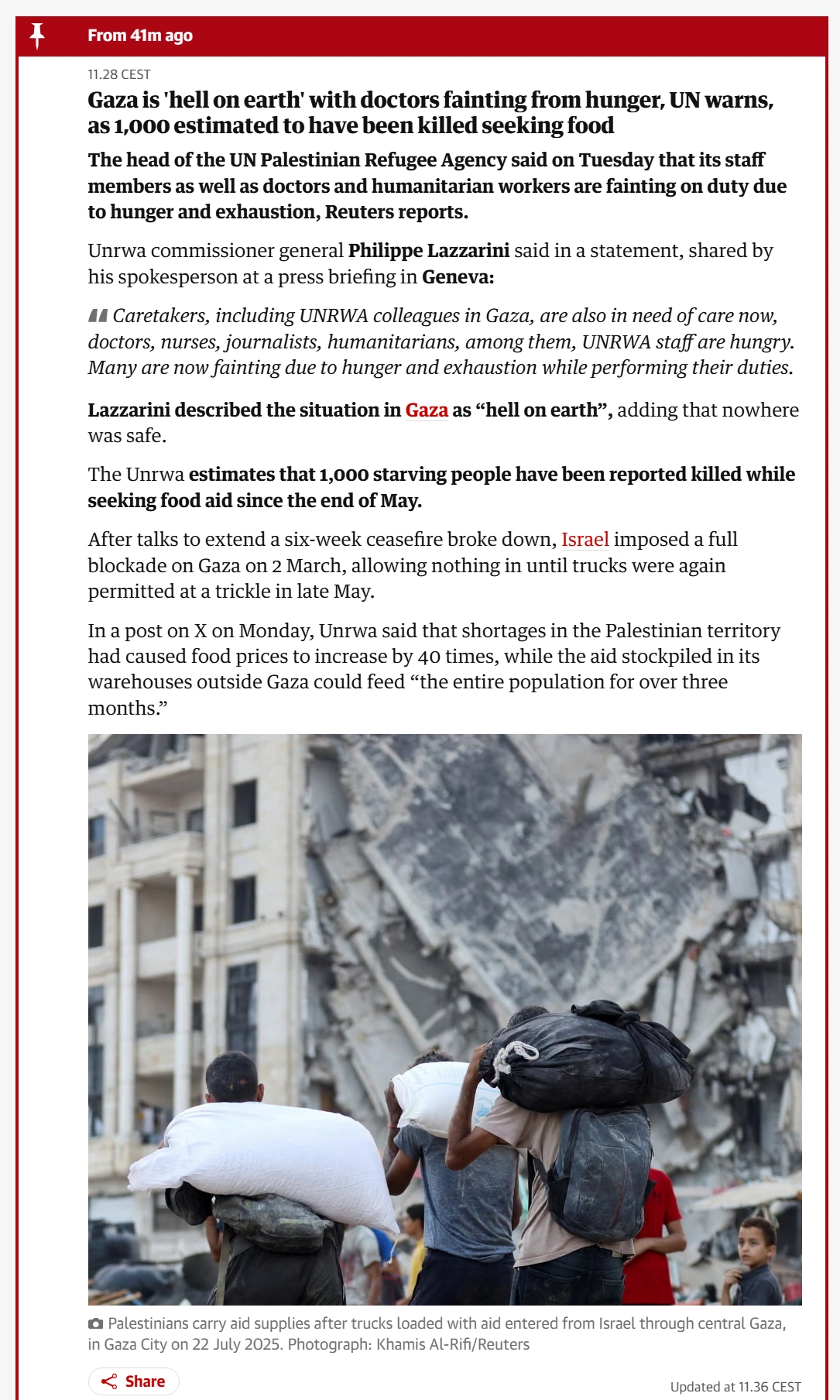
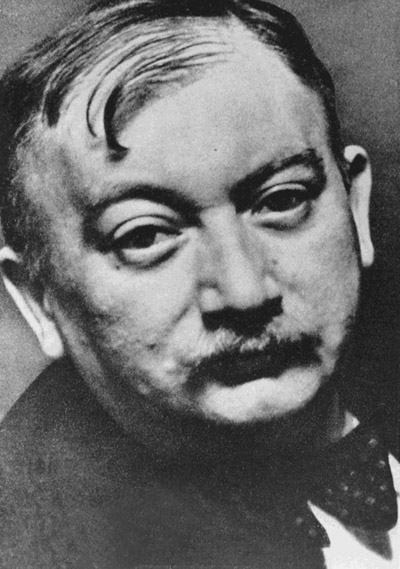
Gezeichnet durch Schicksalsschläge, enttäuscht über die politischen Zustände und alkoholkrank starb Roth in einem Pariser Armenhospital.
„Gezeichnet durch Schicksalsschläge, enttäuscht über die politischen Zustände“ seems to fit 2025 quite well.
Gezeichnet durch Schicksalsschläge, enttäuscht über die politischen Zustände und alkoholkrank starb Roth in einem Pariser Armenhospital.
„Gezeichnet durch Schicksalsschläge, enttäuscht über die politischen Zustände“ seems to fit 2025 quite well.
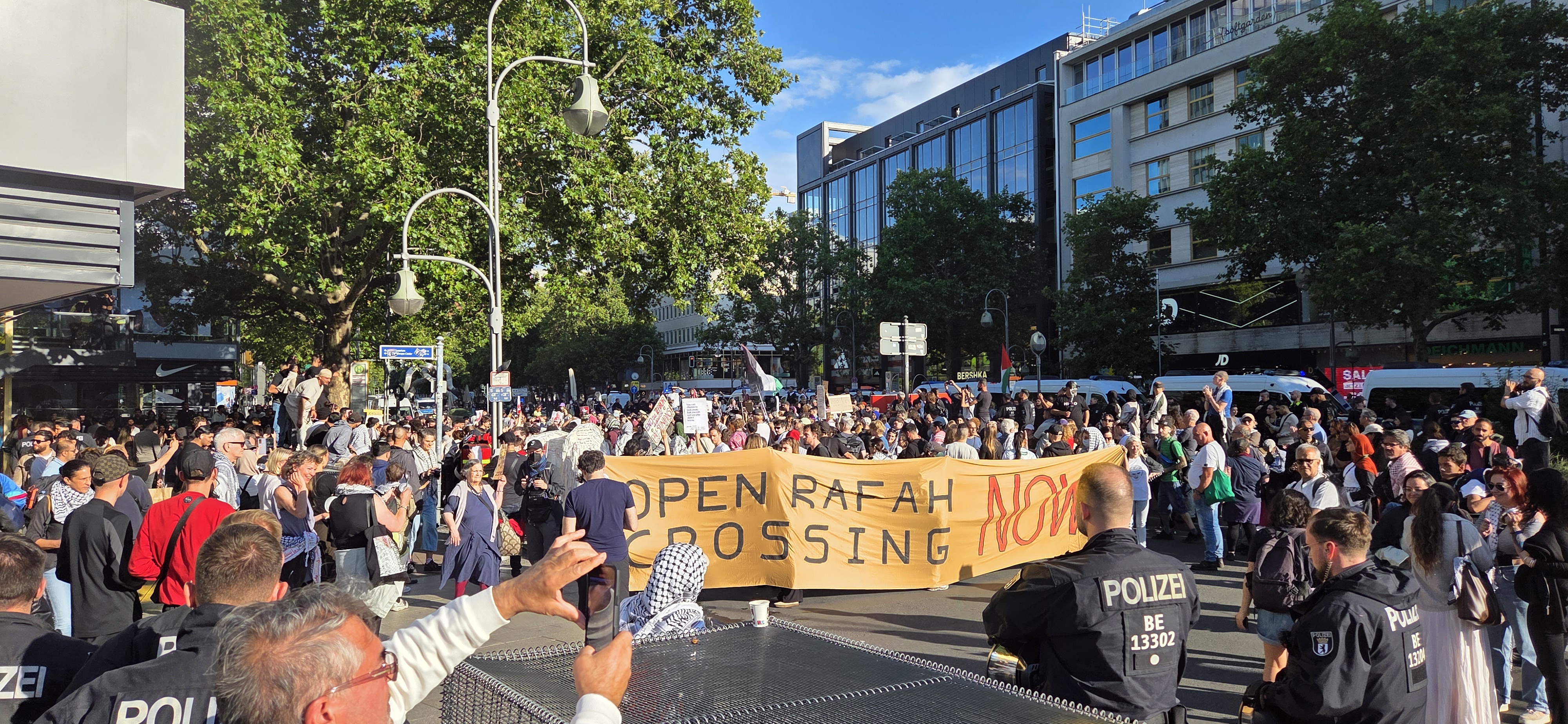
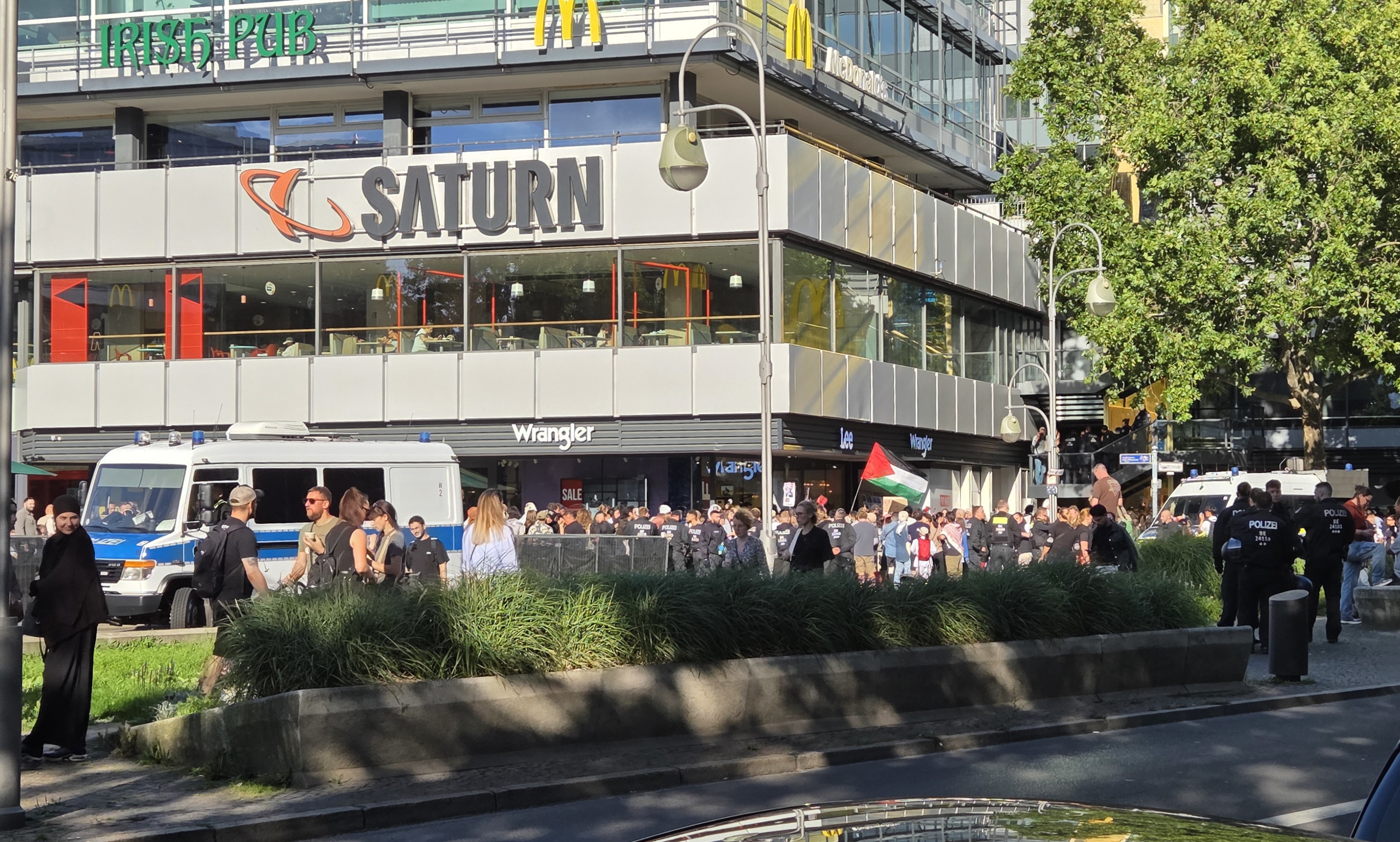
From across Tauentzienstraße or from Breitscheidplatz without view of the Palestinian flag it was not possible to see why there was a loud crowd of people on the street. The Polizei kept everyone very effectively kettled behind barricades and at 18:32 started announcing the demonstration had been ended, people were to disperse in the direction of Wittenbergplatz or face arrest. After an hour of listening to the banging of pots and pans, shouts of „viva, viva, Palestina!“, „intifada, revolution!“, „One solution: revolution!“, „Hoch die internationale Solidarität!“, chants of „shame on you!“ and the police threatening everyone with arrest I left.
Had an interesting conversation with a woman whose sign I commented on about how difficult it is to get coworkers to talk about Gaza. I said I try each week over company lunches and colleagues uniformly will talk about food, the weather, but not Gaza. She agreed sympathetically, „Ah, die Deutschen!“ but her partner pointed out I had earlier said I was an American, and I agreed: I work with an international staff, and colleagues from various nations all refuse to discuss Gaza.
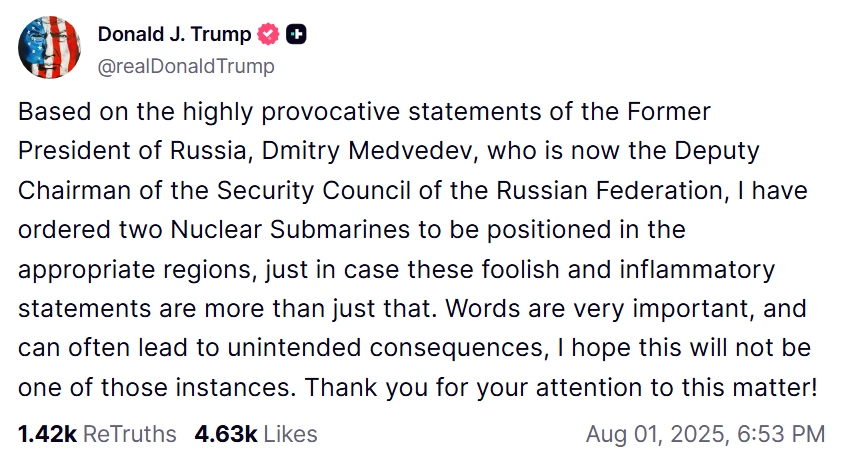
You know, „beyond parody“ is a phrase which is easy to throw around, and you often think it applies, but all those times you thought you knew what „beyond parody“ meant were before you saw this. 🙂
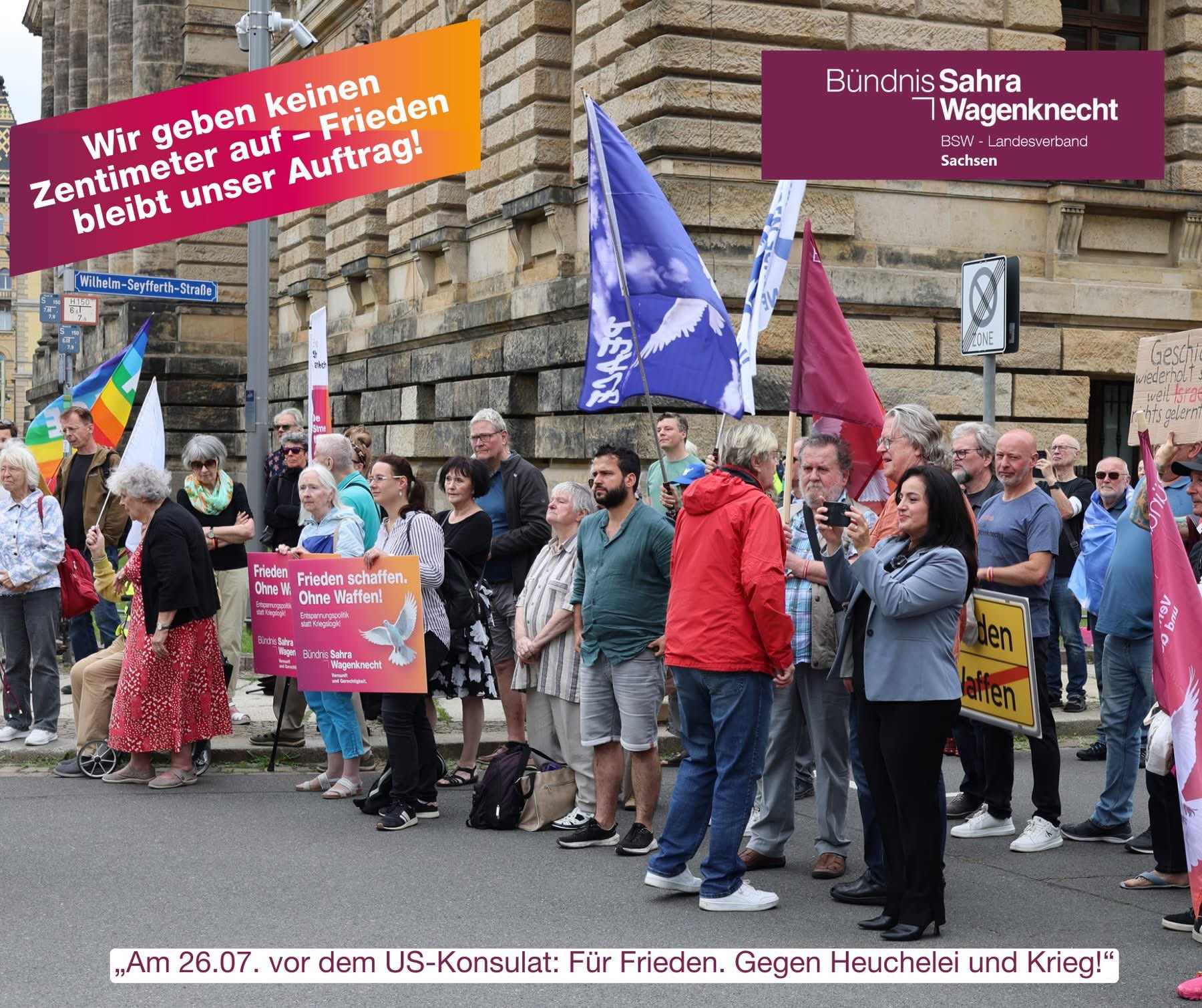
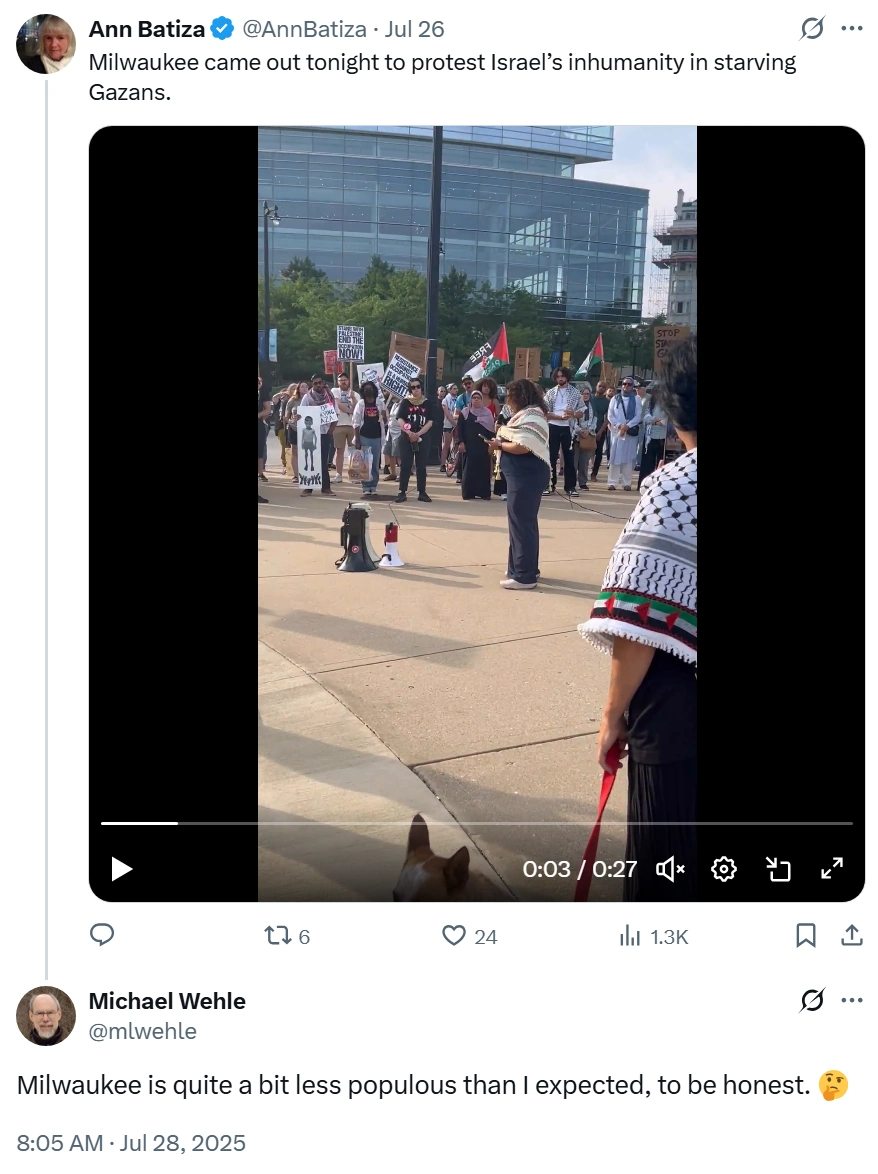


One of the paradoxes of religious history in Eastern Europe is that paganism lasted so long there, yet we know so little about it. There is no Slavic equivalent to the great compendium of Norse myth preserved in the Icelandic Edda, or the Celtic tales contained in the Welsh Mabinogion or the Irish Táin. All we have are fragments, recorded by hostile witnesses.
One of the first such testimonies comes from, of all places, Sicily. Around A.D. 700, a Slavic raiding party was taken prisoner by the local militia. An enterprising bishop asked its members what they believed in. By means of a translator, they replied that they worshipped „fire, water, and their own swords.“ Almost seven hundred years later, the Grand Duchy of Lithuania was still being ruled by practicing pagans who believed something very similar. A vast realm that incorporated much of today’s Belarus and Ukraine, Lithuania was the last country in Europe to give up the old faith. In 1341, when Grand Duke Gediminas died, he was buried in the full, cruel splendor of the pagan rite: burned to ash on a giant pyre, along with his favorite weapons, slaves, dogs, and horses, and a few German Crusaders thrown in for good measure. When the whole thing caught fire, Gediminas’s fellow pagan lords cried out in sorrow and pelted the flames with the claws of lynxes and bears.
—Jacob Mikanowski, Goodbye Eastern Europe, (Great Britain: Oneworld Publications Ltd, 2023), 6.
A man has been arrested in Glasgow for holding a paper sign allegedly supportive of the proscribed direct action group Palestine Action, the third arrest of its kind across the city in the past week.
Police Scotland confirmed that the 64-year-old man, who had been speaking to a small group of protesters gathered at Nelson Mandela Place in the city centre on Friday afternoon, had been arrested in connection with an offence under the Terrorism Act “for displaying a sign expressing support for a proscribed organisation”.
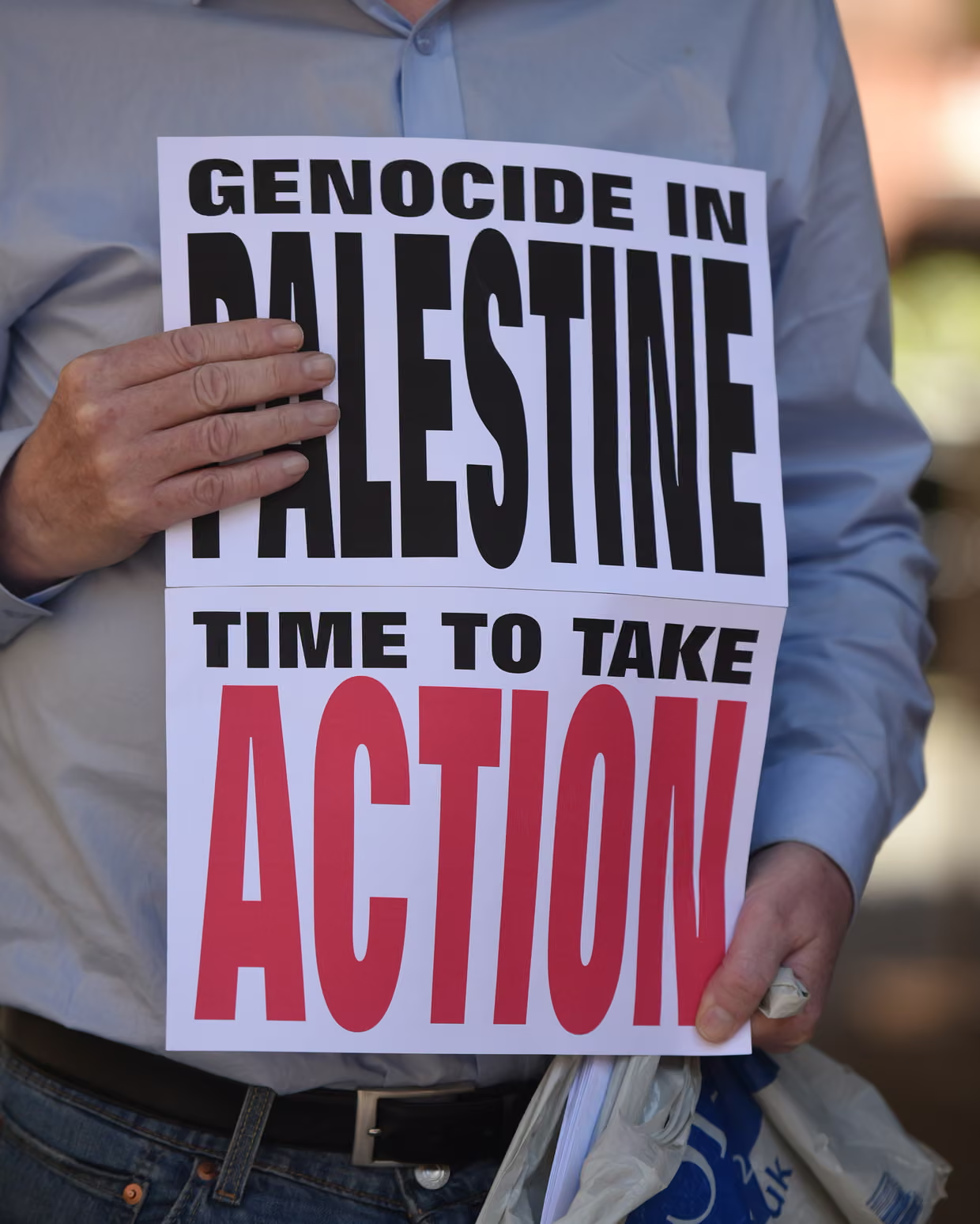
The sign read “Genocide in Palestine, time to take action” with the words Palestine and action larger than the others. Another man wearing a T-shirt with the same slogan was charged with a similar offence last weekend at the TRNSMT music festival in Glasgow Green.
A man holding a sign that said ‘Genocide in Palestine, time to take action’ was arrested in Glasgow. Photograph: James Chapelard